Brake Repair
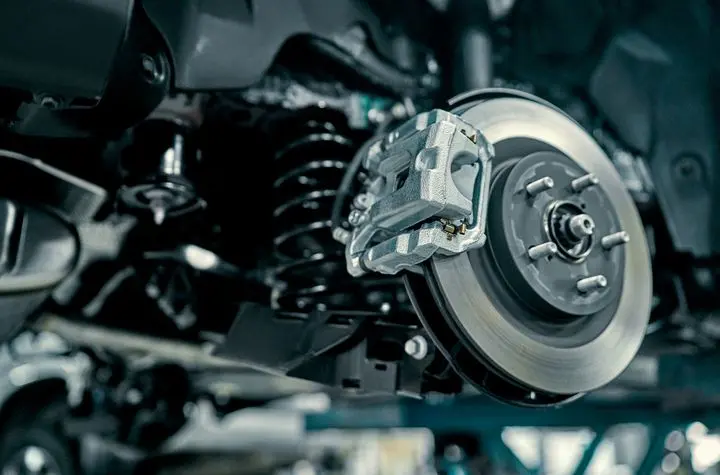
Brake Repair in Moses Lake, WA
When your brakes start squealing, grinding, or feeling different, it's important to find out what's causing the problem. At AutoMetrics Moses Lake, we provide brake repair and inspections in Moses Lake, WA, to help drivers address braking concerns and keep their vehicles operating safely.
Whether your brake pedal feels soft, your vehicle shakes when stopping, or a brake warning light has appeared, our team can help identify what needs attention.
Call 509-766-2002 to discuss your brake concerns.
Common Signs Your Brakes May Need Repair
Brake problems don't always appear suddenly. Sometimes the first warning is an unfamiliar sound or a small change in how your vehicle slows down.
Here are some common signs that your brakes should be inspected:
- Squealing or squeaking: High-pitched noises may indicate worn brake pads, brake hardware concerns, or other conditions that need inspection.
- Grinding noises: Grinding can occur when brake components are severely worn or when something is interfering with normal brake operation.
- Vibration while braking: A shaking steering wheel or pulsating brake pedal may be related to rotor condition, brake components, or other vehicle issues.
- Soft or spongy brake pedal: A change in pedal feel may indicate air in the hydraulic system, a fluid leak, or another braking concern.
- Pulling to one side: If your vehicle pulls when you apply the brakes, uneven braking force or another mechanical problem may be involved.
- Brake warning light: A dashboard warning may indicate a parking brake, brake fluid, or braking system concern, depending on the vehicle.
- ABS warning light: An illuminated anti-lock braking system light indicates a problem that may affect ABS operation and should be investigated.
- Reduced braking performance: If your vehicle takes longer to stop or the brakes feel less responsive, the cause needs to be checked.
These symptoms can have different causes. An inspection helps determine whether the issue involves normal wear, a brake component, or another system.
If your brakes are not responding normally, the pedal sinks toward the floor, or your vehicle has difficulty stopping, do not continue driving. Stop in a safe location and arrange for assistance.
Brake Inspections: Finding the Problem Before Making Repairs
Your vehicle's braking system includes several components that work together to slow and stop the vehicle. A problem with one part can affect how the entire system performs.
At AutoMetrics Moses Lake, we focus on identifying the cause of a braking concern before recommending repairs.
What Does a Brake Inspection Include?
The inspection depends on the symptoms and the type of braking system your vehicle uses.
Depending on the concern, checking the brakes may involve:
- Inspecting brake pads or shoes for wear
- Checking brake rotors or drums for visible damage and wear
- Examining brake calipers and related hardware
- Looking for brake fluid leaks or hydraulic concerns
- Evaluating brake pedal operation
- Checking brake warning lights and relevant diagnostic trouble codes
- Inspecting related components when symptoms suggest another problem
Not every vehicle requires the same inspection or testing. The goal is to understand the condition of the braking system and determine what needs attention.
Why Brake Diagnostics Matter
A squealing noise doesn't always mean your brake pads need replacement. Likewise, a vibrating brake pedal doesn't automatically mean the rotors are damaged.
Different issues can produce similar symptoms. Inspecting the related components helps avoid unnecessary repairs and supports more accurate recommendations.
Brake Repair and Maintenance Services
Brake systems experience wear through normal driving. How quickly components wear depends on the vehicle, driving conditions, braking habits, and maintenance history.
AutoMetrics Moses Lake provides brake service for a range of braking concerns. The work needed depends on the findings of the inspection.
Brake Pad Replacement
Brake pads create friction against the brake rotors to help slow your vehicle. Over time, the friction material wears down and may need replacement.
Worn pads can cause noise, reduce braking performance, and potentially damage other components if the problem is left unaddressed.
Learn more about our brake pad replacement service.
Brake Rotor Inspection and Repair
Brake rotors provide the surface that disc brake pads press against when slowing the vehicle. Heat, wear, corrosion, or uneven rotor condition may contribute to vibration, noise, or other braking concerns.
Depending on the rotor's condition and the vehicle manufacturer's specifications, replacement or another appropriate service may be recommended.
Read more about brake rotor service.
Brake Caliper Problems
Brake calipers help apply pressure to the brake pads. If a caliper sticks, leaks, or doesn't operate correctly, it may cause uneven braking, excessive heat, pulling, or premature component wear.
Inspection and testing can help determine whether a caliper or related component needs repair.
Learn more about brake caliper repair.
Brake Fluid and Hydraulic System Concerns
Brake fluid transfers pressure through the hydraulic braking system. Over time, fluid condition may change, and leaks or other hydraulic problems can affect braking performance.
A soft pedal, low brake fluid level, or changes in brake response may require inspection of the hydraulic system.
Brake fluid service requirements vary by vehicle and manufacturer. Learn more about our brake fluid service.
ABS and Brake Warning Light Concerns
Many modern vehicles use an anti-lock braking system, commonly called ABS. This system helps prevent wheel lockup during certain braking conditions.
If the ABS warning light comes on, the system may have detected a problem. Depending on the vehicle and fault, conventional braking may still work, but anti-lock braking assistance may be limited or unavailable.
Diagnostic testing can help identify the system or component that needs further investigation. A warning light or trouble code alone does not confirm which part needs replacement.
How Different Brake Systems Work
Not every vehicle uses the same braking system. The design depends on the make, model, year, and configuration.
Common braking systems and components include:
- Disc brakes: Brake pads press against a rotating disc, called a rotor, to help slow the vehicle.
- Drum brakes: Brake shoes press against the inside of a brake drum to create friction.
- Anti-lock braking systems: ABS helps manage wheel lockup during certain braking conditions.
- Parking brakes: Mechanical or electronic parking brake systems help keep a parked vehicle from moving.
Some vehicles use disc brakes on all four wheels, while others have a combination of disc and drum brakes. Maintenance and repair needs depend on the specific system.
When Should You Have Your Brakes Inspected?
There isn't one brake inspection interval that applies to every vehicle. Inspection needs depend on the manufacturer's recommendations, vehicle condition, driving habits, and how the brakes are performing.
Frequent stop-and-go driving, carrying heavy loads, and repeated braking on hills may affect brake wear.
You should have your brakes checked when you notice unusual noises, warning lights, changes in pedal feel, or reduced stopping performance.
Brake inspections may also be appropriate during routine vehicle maintenance, depending on the vehicle's service schedule and condition.
Can Waiting Make Brake Problems Worse?
Some brake problems can become more involved when left unaddressed. For example, severely worn brake pads may damage the rotor surface, while a sticking caliper may cause excessive heat and uneven wear.
Having changes in braking performance checked can help identify problems before additional components are affected.
Because brakes are essential to controlling your vehicle, concerns that affect stopping ability should be addressed promptly.
What to Expect When You Bring Your Vehicle In
You don't need to know which brake component is causing the problem before contacting AutoMetrics Moses Lake.
Tell us what you've noticed, such as when the noise occurs, how the brake pedal feels, or whether a warning light is on.
Depending on the concern, evaluating your brakes may involve a visual inspection, component measurements, diagnostic testing, or other checks.
Once the concern has been evaluated, we can discuss the findings and recommended next steps.
Digital Vehicle Inspections
AutoMetrics Moses Lake also uses digital vehicle inspections to help customers better understand their vehicles' condition.
These inspections can provide information about visible wear, maintenance needs, and other concerns that may require attention.
Learn more about our digital vehicle inspections.
Brake Repair for European and Domestic Vehicles
Brake systems can vary considerably between vehicle makes and models. Component designs, electronic systems, and maintenance requirements are not always the same.
At AutoMetrics Moses Lake, we service a range of European and domestic vehicles, including:
We also work with other supported domestic, European, and Asian vehicles.
Whether you drive a sedan, SUV, or truck, contact us with your vehicle's year, make, model, and braking concern so we can discuss your service needs.
Local Brake Repair in Moses Lake Since 2017
AutoMetrics was founded by Brian Beatty in 1996. The Moses Lake location opened in 2017, bringing the company's automotive service experience to drivers in the area.
Today, AutoMetrics Moses Lake provides brake inspections, maintenance, diagnostics, and repairs for local drivers.
Our shop is located at 216 West Valley Road in Moses Lake, WA. We also serve drivers from nearby communities, including Moses Lake North and Cascade Valley.
Whether your brakes are making noise or simply don't feel the way they used to, we're here to help you understand what needs attention.
Frequently Asked Questions About Brake Repair
How do I know if I need new brake pads?
Squealing, grinding, or changes in braking performance may be signs of worn brake pads. However, these symptoms can also have other causes. A brake inspection helps determine how much friction material remains and whether replacement is needed.
Why does my steering wheel shake when I brake?
Steering wheel vibration during braking may be related to uneven brake rotor condition, brake component problems, or other vehicle issues. An inspection can help identify the source of the vibration before repairs are recommended.
How much does brake repair cost?
Brake repair costs depend on the vehicle, the condition of the braking system, and the components that need service. Replacing worn pads is different from repairing hydraulic or electronic braking problems. An inspection helps determine the work needed.
How often should I have my brakes checked?
Brake inspection recommendations vary by vehicle, manufacturer, and driving conditions. It's important to follow your vehicle's maintenance guidance and have the brakes inspected whenever you notice unusual noises, warning lights, or changes in performance.
Is it safe to drive with squealing or grinding brakes?
Brake noises should not be ignored. Squealing can have several causes, while grinding may indicate significant wear or another problem. If braking performance has changed, the vehicle is difficult to stop, or you hear severe grinding, do not continue driving. Arrange for the vehicle to be inspected safely.
Schedule Brake Repair in Moses Lake, WA
If your brakes are squealing, grinding, vibrating, or not responding as they should, contact AutoMetrics Moses Lake.
We can discuss the symptoms you've noticed and help determine the appropriate next step for your vehicle.
Visit us at 216 West Valley Road, Moses Lake, WA 98837.
Call 509-766-2002 to discuss your brake concerns or schedule your visit.
For other vehicle maintenance and repair needs, explore our general auto repair services.
We are a Digital Shop
The AutoMetrics - Moses Lake technicians use the latest technology to not only tell you if there are any issues with your vehicle, but show you. If we uncover an issue the photo will be e-mailed to you for your records. At the end of every visit you will receive a detailed report regarding the general health of your vehicle. Our #1 goal is to keep you safe on the road.
Read more