Tires
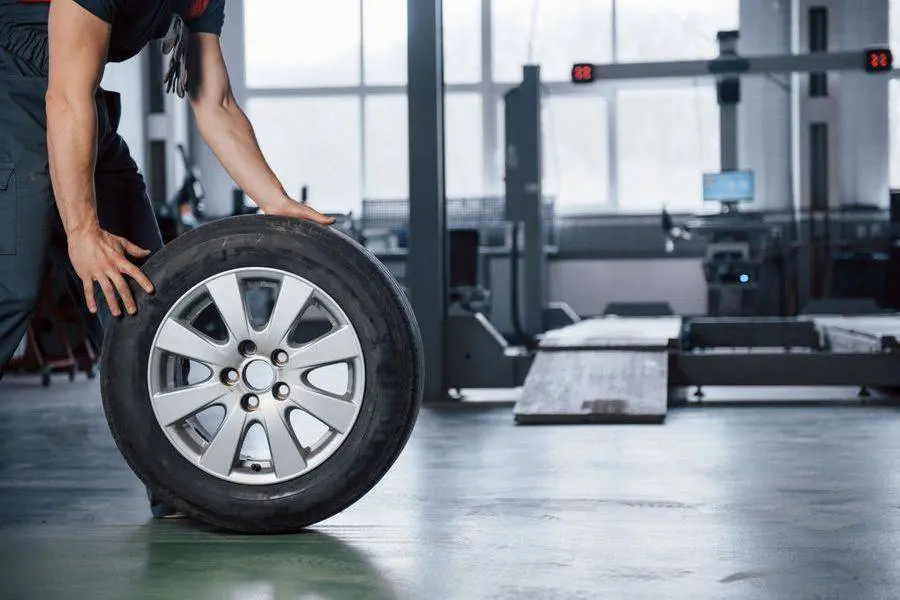
Tire Service in Moses Lake, WA
Your tires play an important role in how your vehicle handles, brakes, and responds to road conditions. At AutoMetrics Moses Lake, we provide tire services in Moses Lake, WA, to help drivers address tire wear, pressure problems, and other tire-related concerns.
Whether you've noticed uneven tread wear, a tire pressure warning light, or damage to one of your tires, our team can help evaluate the concern and determine the next steps.
Call 509-766-2002 to discuss your tire service needs.
Common Signs Your Tires Need Attention
Tire problems aren't always easy to notice while driving. Some develop gradually, while others appear after hitting a pothole or running over something in the road.
Here are some common signs that your tires should be inspected:
- Low tire pressure: A tire that repeatedly loses air may have a puncture, valve problem, wheel sealing issue, or another source of air loss.
- Uneven tread wear: Tires wearing more on one edge or in certain areas may indicate inflation, alignment, suspension, or other concerns.
- Low tread depth: As tire tread wears down, the tire may have less ability to maintain traction, especially on wet roads.
- Cracks or bulges: Visible sidewall damage may indicate aging, impact damage, or a problem with the tire's internal structure.
- Vibration while driving: Shaking or vibration may be related to tire balance, damage, uneven wear, or another vehicle problem.
- Tire pressure warning light: The tire pressure monitoring system may have detected low pressure or a system malfunction.
- Visible cords or severe wear: Exposed tire cords indicate an unsafe condition that requires immediate attention.
- Punctures or embedded objects: Nails, screws, and road debris can damage tires and cause slow or sudden air loss.
These symptoms can have different causes. A tire inspection helps determine whether the issue involves tire wear, damage, or another part of the vehicle.
If a tire is flat, has a visible bulge, shows exposed cords, or is losing air rapidly, do not continue driving on it. Arrange for safe assistance.
Tire Inspections: Understanding Your Tire's Condition
Regular tire inspections can help identify wear and damage that may affect how your vehicle performs.
The inspection depends on the concern and the condition of the tires.
What May Be Checked During a Tire Inspection?
Depending on the vehicle and symptoms, a tire inspection may include:
- Checking tire pressure
- Measuring tread depth
- Looking for uneven tread wear
- Inspecting sidewalls for visible damage
- Checking for punctures or embedded objects
- Reviewing tire size and condition
- Checking for visible wheel or valve concerns
- Evaluating possible causes of vibration or irregular wear
Not every tire problem requires replacement. However, some types of damage cannot be safely repaired.
Why Tire Pressure Matters
Tire pressure affects how the tire carries the vehicle's weight and maintains contact with the road.
Underinflated tires can build up excessive heat and wear unevenly. Overinflated tires may also affect wear and ride quality.
The correct tire pressure is generally listed on the vehicle's tire information label, often located on the driver's door jamb. The pressure printed on a tire's sidewall is not the vehicle's recommended operating pressure.
For accurate readings, tire pressure should be checked when the tires are cold, following the vehicle manufacturer's guidance.
Tire Repair or Replacement: What's the Difference?
When a tire loses air or becomes damaged, the next step depends on where the damage occurred and how severe it is.
Some punctures may be repairable, while others require tire replacement.
When Might a Tire Be Repairable?
A small puncture in an appropriate area of the tread may sometimes be repairable if the tire meets accepted repair guidelines.
Whether a tire can be repaired depends on factors such as:
- The location of the puncture
- The size and type of damage
- The condition of the tire's internal structure
- Whether the tire was driven while severely underinflated
- Previous repairs or other existing damage
- The tire manufacturer's repair limitations
An external inspection alone may not reveal internal damage. A proper evaluation is needed before deciding whether a punctured tire can be repaired safely.
Not all punctures can be repaired, and sidewall damage generally requires replacement.
When Is Tire Replacement Necessary?
Replacement may be necessary when a tire has excessive tread wear, structural damage, significant sidewall cracking, or damage that cannot be safely repaired.
A tire may also need replacement when its age, condition, or wear pattern makes continued use unsafe.
Our tire replacement services page explains more about tire selection and replacement concerns.
Why Uneven Tire Wear Matters
Tires should wear in a reasonably consistent pattern when they are properly maintained and the vehicle's related systems are functioning correctly.
Uneven tire wear can sometimes indicate a problem beyond the tire itself.
Possible contributing factors include:
- Incorrect tire pressure
- Wheel alignment concerns
- Worn steering or suspension components
- Wheel balance problems
- Driving conditions and vehicle loading
- Maintenance history and tire rotation patterns
Replacing worn tires without addressing the underlying cause of unusual wear may allow the problem to continue.
If your tires are wearing unevenly or your vehicle pulls to one side, learn more about our wheel alignment services.
Tire Rotation and Routine Maintenance
Tire rotation involves moving tires to different positions on the vehicle according to an appropriate rotation pattern.
On vehicles where rotation is recommended, this can help distribute certain wear patterns and support more even tire wear over time.
Rotation needs and patterns vary depending on tire size, drivetrain, tread design, and manufacturer recommendations.
Some vehicles use different tire sizes on the front and rear axles, directional tires, or other configurations that limit how tires can be rotated.
Following the recommended maintenance schedule is important because there isn't one rotation interval that works for every vehicle.
Other Tire Maintenance Considerations
Routine tire care may include:
- Checking and maintaining proper inflation pressure
- Inspecting tread depth and visible tire condition
- Rotating tires when recommended and appropriate
- Checking for uneven wear patterns
- Evaluating vibration or handling concerns
- Reviewing tire condition before longer trips
For additional maintenance information, explore our vehicle maintenance services.
What Does the Tire Pressure Warning Light Mean?
Many vehicles have a Tire Pressure Monitoring System, commonly called TPMS.
This system helps alert drivers when tire pressure falls below a monitored threshold.
Depending on the vehicle, a warning light may also indicate a problem with the monitoring system itself.
A tire pressure warning may appear because of:
- Low pressure in one or more tires
- A puncture or slow air leak
- Temperature-related pressure changes
- A tire pressure sensor problem
- Another TPMS-related malfunction
The warning light alone doesn't tell you exactly what needs repair. Tire pressure should be checked, and additional testing may be needed if the warning remains on.
Learn more about our TPMS service.
Choosing Tires for Your Vehicle
When tires need replacement, choosing the correct size and specifications is important for vehicle handling, load capacity, and proper operation.
Tire requirements vary depending on the make, model, year, and vehicle configuration.
Factors to consider include:
- Tire size: The tire dimensions need to be appropriate for the vehicle and wheel.
- Load capacity: Tires must be able to support the vehicle's required load.
- Speed rating: Tire specifications should meet the vehicle manufacturer's requirements.
- Driving conditions: Weather, road surfaces, and normal vehicle use can influence tire selection.
- Vehicle design: Some vehicles have specific requirements involving tire construction, size matching, or drivetrain compatibility.
All-season, all-weather, winter, performance, and all-terrain tires are designed for different uses. The appropriate choice depends on the vehicle and the conditions in which it is driven.
For vehicles with all-wheel drive, matching tire specifications and tread conditions may be especially important. Requirements vary by manufacturer.
Contact AutoMetrics Moses Lake with your vehicle information to discuss your tire needs.
Tire Service for European and Domestic Vehicles
Tire sizes and service requirements can vary significantly between vehicle makes and models. Some vehicles use different front and rear tire sizes, while others have specific tire pressure or monitoring system requirements.
At AutoMetrics Moses Lake, we work with a range of European and domestic vehicles, including:
We also service other supported domestic, European, and Asian vehicles.
Whether you drive a sedan, SUV, or truck, contact us with your year, make, model, and tire concerns so we can discuss the appropriate service.
Local Tire Service in Moses Lake Since 2017
AutoMetrics was founded by Brian Beatty in 1996. The Moses Lake location opened in 2017, bringing the company's automotive service experience to drivers in the area.
Today, AutoMetrics Moses Lake provides tire-related services, vehicle maintenance, diagnostics, and automotive repairs for local drivers.
We also offer a 2-year/24,000-mile warranty on qualifying repairs. Coverage depends on the work performed and does not automatically apply to every tire service or tire purchase.
Our shop is located at 216 West Valley Road in Moses Lake, WA. We also serve drivers from nearby communities, including Moses Lake North and Cascade Valley.
Whether you've noticed tire wear, a pressure warning, or a change in how your vehicle handles, we're here to help you understand what needs attention.
Frequently Asked Questions About Tires
How do I know when my tires need replacement?
Tires may need replacement when the tread is excessively worn, structural damage is present, or the tire is no longer suitable for safe use. Bulges, exposed cords, severe cracking, and certain punctures are important warning signs. An inspection can help determine whether replacement is needed.
Can a tire with a nail in it be repaired?
Sometimes. A puncture in an appropriate area of the tread may be repairable if it meets accepted tire repair guidelines. Damage near the shoulder or sidewall, internal damage, and other conditions may make repair unsafe. The tire needs to be evaluated before a repair decision is made.
How often should my tires be rotated?
Tire rotation recommendations depend on your vehicle, tire design, and driving conditions. Your owner's manual provides guidance on rotation intervals and patterns. Some tire and wheel configurations have rotation restrictions.
Why does my tire pressure warning light keep coming on?
The warning may be caused by low tire pressure, temperature changes, a slow leak, or a problem with the monitoring system. Checking tire pressure is a useful first step, but repeated warnings may require further inspection or testing.
How much does tire service or replacement cost?
The cost depends on the tire size, type, vehicle requirements, and services needed. A tire inspection, replacement, or TPMS-related repair can involve different work. Contact AutoMetrics Moses Lake with your vehicle information to discuss your tire service needs.
Schedule Tire Service in Moses Lake, WA
If your tires are wearing unevenly, losing pressure, showing visible damage, or causing a change in how your vehicle drives, contact AutoMetrics Moses Lake.
We can discuss what you've noticed and help determine the appropriate next step for your vehicle.
Visit us at 216 West Valley Road, Moses Lake, WA 98837.
Call 509-766-2002 to discuss your tire concerns or schedule your visit.
For other vehicle maintenance and repair needs, explore our general auto repair services.
We are a Digital Shop
The AutoMetrics - Moses Lake technicians use the latest technology to not only tell you if there are any issues with your vehicle, but show you. If we uncover an issue the photo will be e-mailed to you for your records. At the end of every visit you will receive a detailed report regarding the general health of your vehicle. Our #1 goal is to keep you safe on the road.
Read more