Transmission Repair
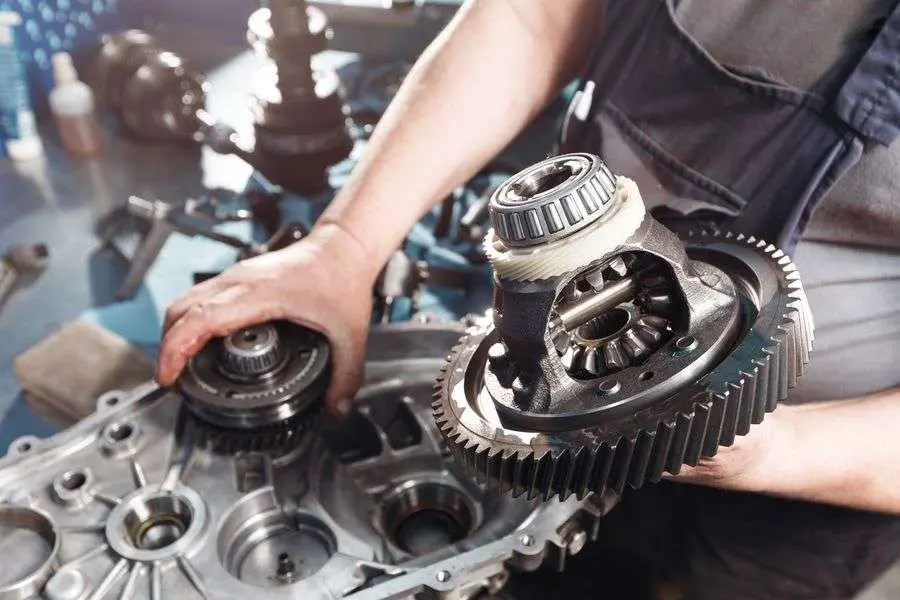
Transmission Repair in Moses Lake, WA
When your vehicle hesitates, shifts roughly, or struggles to change gears, it's important to find out what's causing the problem. At AutoMetrics Moses Lake, we provide transmission repair and diagnostics in Moses Lake, WA, to help drivers address shifting concerns and other transmission-related problems.
Whether you've noticed slipping gears, unusual noises, a fluid leak, or a transmission warning light, our team can help investigate the concern and determine what needs attention.
Call 509-766-2002 to discuss your transmission concerns.
Common Signs Your Transmission May Need Repair
Transmission problems don't always begin with a complete loss of power. Sometimes the first sign is a small change in how your vehicle accelerates or shifts between gears.
Here are some common symptoms that should be checked:
- Slipping gears: If engine speed increases without a matching increase in vehicle speed, the transmission or another drivetrain component may not be transferring power correctly.
- Delayed engagement: A noticeable delay when shifting into Drive or Reverse may indicate a transmission-related concern.
- Rough or harsh shifting: Sudden jerks, hard shifts, or unusual movement during gear changes can have mechanical, hydraulic, or electronic causes.
- Grinding or unusual noises: Grinding, whining, humming, or clunking may involve the transmission, clutch, or another drivetrain component.
- Transmission fluid leaks: Fluid collecting beneath the vehicle may indicate a leaking seal, gasket, line, or another component.
- Burning odor: An unusual burning smell may be related to overheated fluid, friction components, or another vehicle problem.
- Transmission warning light: Some vehicles display a warning when the transmission control system detects a problem.
- Shuddering or vibration: Shaking during acceleration or shifting may indicate a transmission concern or another issue affecting the drivetrain.
These symptoms don't automatically mean your transmission needs major repairs. Engine performance problems, electronic controls, and other drivetrain components can sometimes produce similar symptoms.
If your vehicle loses the ability to move normally, shifts unpredictably, or develops severe grinding or slipping, stop driving when safe and arrange for assistance. Continuing to drive may cause additional damage.
Transmission Diagnostics: Finding the Cause Before Repairs
When a transmission isn't shifting correctly, identifying the source of the problem is an important first step.
At AutoMetrics Moses Lake, we focus on understanding the symptoms and evaluating the affected system before recommending repairs.
What May Be Checked During a Transmission Inspection?
Depending on the vehicle and the concern, transmission diagnostics may involve:
- Discussing when shifting problems occur
- Checking for visible transmission fluid leaks
- Evaluating fluid level and condition when applicable
- Reviewing relevant diagnostic trouble codes
- Checking electrical connections and related components
- Evaluating transmission operation and shifting behavior
- Inspecting related drivetrain components when appropriate
- Performing additional testing to help confirm the cause
Not every transmission problem requires the same tests. The appropriate diagnostic process depends on the transmission design, vehicle configuration, and symptoms.
What Do Transmission Trouble Codes Mean?
Many modern vehicles use electronic control systems to monitor transmission operation. When a monitored condition falls outside its expected range, the vehicle may store a diagnostic trouble code.
These codes can help identify which system needs further investigation, but they don't always identify a failed part.
For example, an electrical or shifting-related code may involve wiring, a sensor, a control component, or another condition affecting transmission operation.
Proper testing helps determine whether a repair is needed and which component may be involved.
Learn more about our auto diagnostic services.
Understanding Different Types of Transmissions
Not every vehicle uses the same type of transmission. The design affects how the vehicle shifts, which components it uses, and what maintenance or repairs may be needed.
Automatic Transmissions
Traditional automatic transmissions change gears without requiring the driver to operate a clutch pedal. Many use hydraulic systems, electronic controls, and internal clutch components to manage shifting.
Problems with fluid condition, control components, internal wear, or related systems may affect how an automatic transmission operates.
Symptoms can include delayed engagement, slipping, rough shifts, or unusual noises.
Manual Transmissions
Manual transmissions allow the driver to select gears using a gear shifter and clutch pedal.
Difficulty shifting, grinding, clutch slipping, or unusual noises may indicate wear or a problem involving the clutch, transmission, or related components.
Because clutch problems can sometimes feel like transmission problems, inspection is important before deciding what needs repair.
For related concerns, learn more about our clutch repair services.
Continuously Variable Transmissions (CVTs)
A continuously variable transmission, commonly called a CVT, uses a different approach to managing gear ratios than a traditional stepped automatic transmission.
CVT designs vary by manufacturer. Some use belts or chains with adjustable pulleys, while other designs operate differently.
Unusual engine speed changes, hesitation, shuddering, or warning lights may require inspection. These symptoms don't automatically confirm CVT failure.
Maintenance and repair requirements depend on the specific transmission.
Dual-Clutch Transmissions
Dual-clutch transmissions use clutch mechanisms and electronic controls to manage gear changes. Their operation and service requirements differ from those of conventional automatic or manual transmissions.
Some dual-clutch systems may experience shifting concerns, hesitation, or unusual engagement behavior when a component isn't operating correctly.
These symptoms require evaluation based on the vehicle's design and operating characteristics.
Common Transmission Repairs and Service Needs
Transmission concerns can involve fluid condition, electrical controls, hydraulic components, internal mechanical wear, or other systems.
The appropriate service depends on the findings of an inspection and the type of transmission installed in the vehicle.
Transmission Fluid Service
Transmission fluid helps lubricate components and, in many transmission designs, supports cooling and hydraulic operation.
Over time, fluid may deteriorate or become contaminated. The type of fluid and service requirements depend on the transmission.
Some transmissions require specific fluid formulations and service procedures. Using an incorrect fluid can affect operation or cause damage.
Transmission fluid service should follow the manufacturer's recommendations and the vehicle's condition.
Transmission Fluid Leaks
Transmission fluid leaks may develop around seals, gaskets, lines, or other components.
Low fluid levels can affect lubrication, cooling, or hydraulic operation, depending on the transmission design.
Fluid leaks should be inspected to identify the source before determining what repair is needed.
Fluid color alone does not confirm the source of a leak. Transmission fluids come in different colors depending on the product and application.
Shifting and Electronic Control Problems
Modern transmissions often rely on sensors, wiring, solenoids, and electronic control systems to manage operation.
A problem involving one of these systems may contribute to delayed shifts, harsh engagement, warning lights, or other driving concerns.
Diagnostic testing can help determine whether the concern involves an electronic component, hydraulic operation, or another part of the system.
For related issues, explore our automotive electrical services.
Clutch and Drivetrain Concerns
Some transmission-related symptoms may actually involve the clutch or another drivetrain component.
In a manual transmission vehicle, a worn clutch may slip during acceleration or make it difficult to change gears.
Other drivetrain concerns may cause vibration, unusual noises, or problems transferring power to the wheels.
Inspection helps determine which system is responsible before repairs are recommended.
More Involved Transmission Repairs
Some transmission problems involve internal components that require more extensive repair or replacement.
Whether this type of work is necessary depends on the transmission design, the extent of the damage, the vehicle's condition, and available repair options.
Not every shifting concern requires a rebuilt or replacement transmission. Identifying the problem first helps determine which repair options are appropriate.
Contact AutoMetrics Moses Lake to discuss your specific vehicle and the transmission service it may need.
How Often Does Transmission Fluid Need Service?
There isn't one transmission fluid service interval that applies to every vehicle.
Manufacturer recommendations vary depending on the transmission type, vehicle design, operating conditions, and fluid specifications.
Factors that may influence transmission maintenance include:
- Transmission design: Automatic, manual, CVT, and dual-clutch transmissions have different service requirements.
- Driving conditions: Towing, heavy loads, frequent stop-and-go driving, and other demanding conditions may affect maintenance needs.
- Vehicle age and mileage: Service history and component condition can influence maintenance decisions.
- Manufacturer recommendations: The correct fluid specification and service interval depend on the vehicle.
- Existing symptoms: Slipping, unusual noises, or shifting problems may require diagnosis rather than routine fluid service alone.
Your owner's manual is a useful starting point for understanding the recommended transmission service schedule.
For additional vehicle care, learn more about our scheduled maintenance services.
Can a Transmission Fluid Change Fix Shifting Problems?
Sometimes fluid condition or level contributes to shifting concerns. However, a transmission fluid change is not a solution for every transmission problem.
Rough shifting, slipping, or hesitation can also involve electronic controls, hydraulic problems, clutch wear, or internal mechanical damage.
In some cases, fluid service may be part of the recommended maintenance or repair. In other cases, additional testing is necessary.
Changing fluid without identifying the underlying cause may not resolve the concern.
Digital Vehicle Inspections and Transmission Service
AutoMetrics Moses Lake also uses digital vehicle inspections to help customers better understand their vehicles' condition.
These inspections can provide information about visible wear, maintenance needs, and other concerns that may require attention.
A digital vehicle inspection may help identify certain visible transmission-related concerns, such as fluid leaks, but it doesn't replace diagnostic testing for internal or electronic transmission problems.
Learn more about our digital vehicle inspections.
Transmission Repair for European and Domestic Vehicles
Transmission designs and service requirements vary between vehicle makes and models. Even vehicles from the same manufacturer may use different transmission types depending on the year, engine, and configuration.
At AutoMetrics Moses Lake, we service a range of European and domestic vehicles, including:
We also work with other supported domestic, European, and Asian vehicles.
Whether you drive a sedan, SUV, or truck, contact us with your vehicle's year, make, model, and transmission concerns so we can discuss your service needs.
Local Transmission Repair in Moses Lake Since 2017
AutoMetrics was founded by Brian Beatty in 1996. The Moses Lake location opened in 2017, bringing the company's automotive service experience to drivers in the area.
Today, AutoMetrics Moses Lake provides transmission diagnostics, automotive maintenance, and repairs for local drivers.
We also offer a 2-year/24,000-mile warranty on qualifying repairs. Coverage depends on the work performed and does not automatically apply to every transmission service.
Our shop is located at 216 West Valley Road in Moses Lake, WA. We also serve drivers from nearby communities, including Moses Lake North and Cascade Valley.
Whether your transmission is shifting roughly or your vehicle isn't responding the way it should, we're here to help you understand what needs attention.
Frequently Asked Questions About Transmission Repair
How do I know if my transmission needs repair?
Common warning signs include slipping gears, delayed engagement, harsh shifting, unusual noises, transmission fluid leaks, and warning lights. These symptoms can have several causes, so diagnostic testing may be needed to determine whether a transmission repair is necessary.
Can I drive my car if the transmission is slipping?
Continuing to drive with a slipping transmission can create additional problems and may affect your ability to control the vehicle. If slipping is severe, the vehicle loses power unexpectedly, or it cannot shift normally, stop driving when safe and arrange for assistance.
Will changing the transmission fluid fix rough shifting?
Not always. Fluid level or condition may contribute to some shifting problems, but electronic faults, internal wear, and other concerns can cause similar symptoms. An inspection helps determine whether fluid service or another repair is appropriate.
How much does transmission repair cost?
Transmission repair costs depend on the vehicle, the cause of the problem, and the work required. Some issues involve external components or maintenance, while others may need more extensive repairs. Diagnostic testing may be needed before the appropriate repair and its cost can be determined.
Does a slipping transmission always need replacement?
No. Transmission slipping can have several causes, and replacement is not automatically necessary. The appropriate repair depends on the type of transmission, the cause of the slipping, and the condition of the affected components.
Schedule Transmission Repair in Moses Lake, WA
If your vehicle is slipping, shifting roughly, making unusual noises, or showing a transmission warning light, contact AutoMetrics Moses Lake.
Tell us what you've noticed, and we can discuss the appropriate next step for your vehicle.
Visit us at 216 West Valley Road, Moses Lake, WA 98837.
Call 509-766-2002 to discuss your transmission concerns or schedule your visit.
For other vehicle maintenance and repair needs, explore our general auto repair services.
We are a Digital Shop
The AutoMetrics - Moses Lake technicians use the latest technology to not only tell you if there are any issues with your vehicle, but show you. If we uncover an issue the photo will be e-mailed to you for your records. At the end of every visit you will receive a detailed report regarding the general health of your vehicle. Our #1 goal is to keep you safe on the road.
Read more